Free Online Player
Pouring Drink
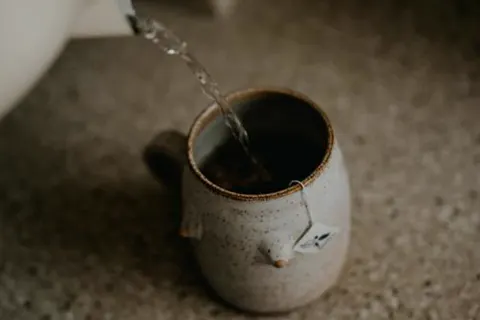
Pouring Drink is one long event and not a texture: a single pour fills the loop and sits far louder than everything around it, the most lopsided recording on these pages. It sounds close in and centered, and it won't hold up as a steady background.
Ready to play
Put this under rain or a fire, keep the blend you end up with, and play it through the night with your screen off. The Slo app does that on iOS, Android and Mac.


What the recording actually contains
A pour is really three sounds at once: liquid striking liquid, air being pushed out of the way, and the vessel itself ringing as the level rises. That last one is why the pitch of a pour climbs as a glass fills. Across the whole file only two moments amount to anything: one pour, in effect, with very little either side of it. Both sides of the recording are nearly identical, which keeps it tight and close.
How it compares and what to pair it with
Of the three drink recordings this one swings widest in level and works least well as something you leave running. Fizzy Drink is the steady one, Ice Cubes the sparse one. If you want moving water that runs continuously, River is the recording built for that. Everything is on the sound library index.
Because the file is mostly quiet around one loud event, it wants something steady underneath. The pouring drink and cafe blend in the free sound mixer gives it a room to happen in.
Frequently asked questions
Why does the pitch of a pour rise?
As the vessel fills, the column of air above the liquid gets shorter, and a shorter air column resonates at a higher pitch.
Is this suitable as continuous background sound?
Not really. One loud pour fills the loop with quiet either side, so you notice every repeat. River is the better choice if you want water that keeps running.
How much does the level swing?
A lot. The pour is far louder than anything else in the file, the widest swing on any of these pages.
Does the sound move around?
No. Both sides of the recording carry nearly the same thing, so the pour stays close and centered.